


Comprehensive Solar PV Value Chain Solutions
-
Solar Cells


A full range of solar cells such as 166mm, 182mm, and 210mm caters to diverse solar module technologies. These high-quality cells offer superior performance, which translates into benefits such as higher efficiency and lower electricity costs for your solar project.
-
PV Modules

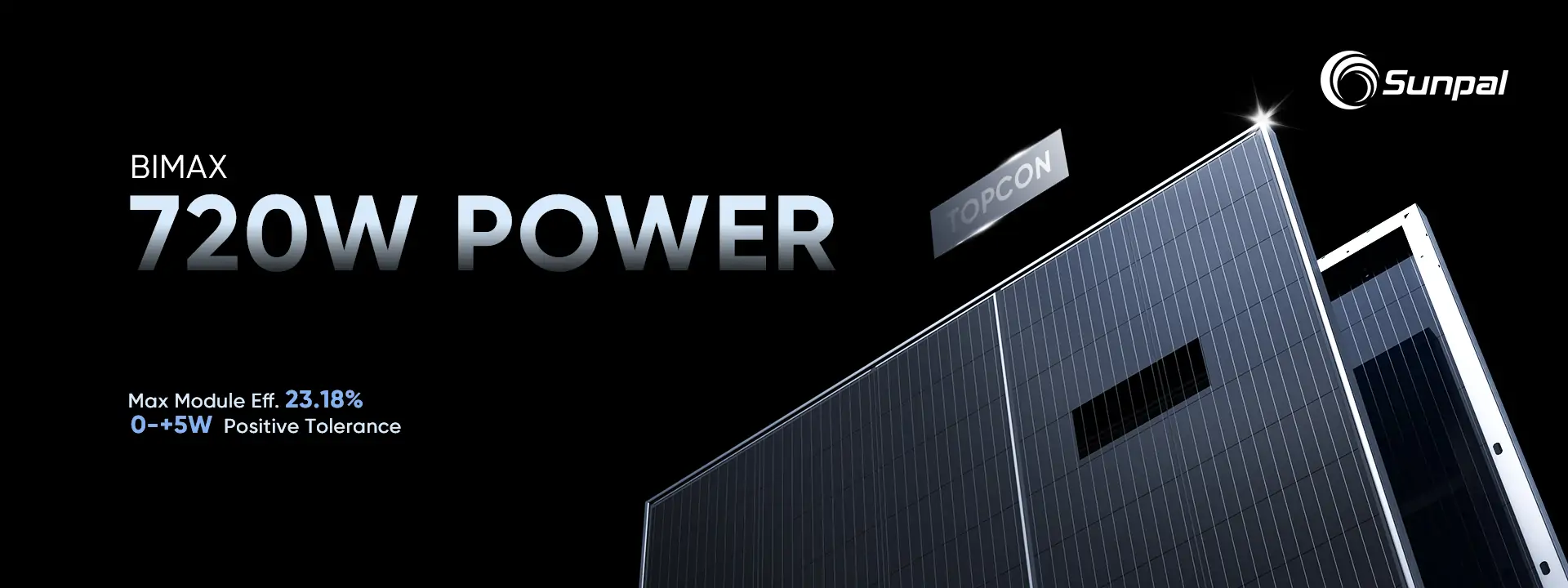
Sunpal offers a comprehensive range of solar modules, including Topcon, HJT, Perc and BC technology, with an output of 10w to 750w. We offer various options from the monofacial, bifacial, black frame and ultra black series to find the perfect solar module for your project.
-
PV Solution

Sunpal is more than a product supplier and offers project consulting, design, procurement, operation and maintenance as well as financing expertise. Whether you're considering a residential or commercial solar project, Sunpal can help you every step of the way.
-
Solar Cells
A full range of solar cells such as 166mm, 182mm, and 210mm caters to diverse solar module technologies. These high-quality cells offer superior performance, which translates into benefits such as higher efficiency and lower electricity costs for your solar project.
-
PV Modules
Sunpal offers a comprehensive range of solar modules, including Topcon, HJT, Perc and BC technology, with an output of 10w to 750w. We offer various options from the monofacial, bifacial, black frame and ultra black series to find the perfect solar module for your project.
-
PV Solution
Sunpal is more than a product supplier and offers project consulting, design, procurement, operation and maintenance as well as financing expertise. Whether you're considering a residential or commercial solar project, Sunpal can help you every step of the way.


Sunpal: A Reliable Solar Panel Manufacturer
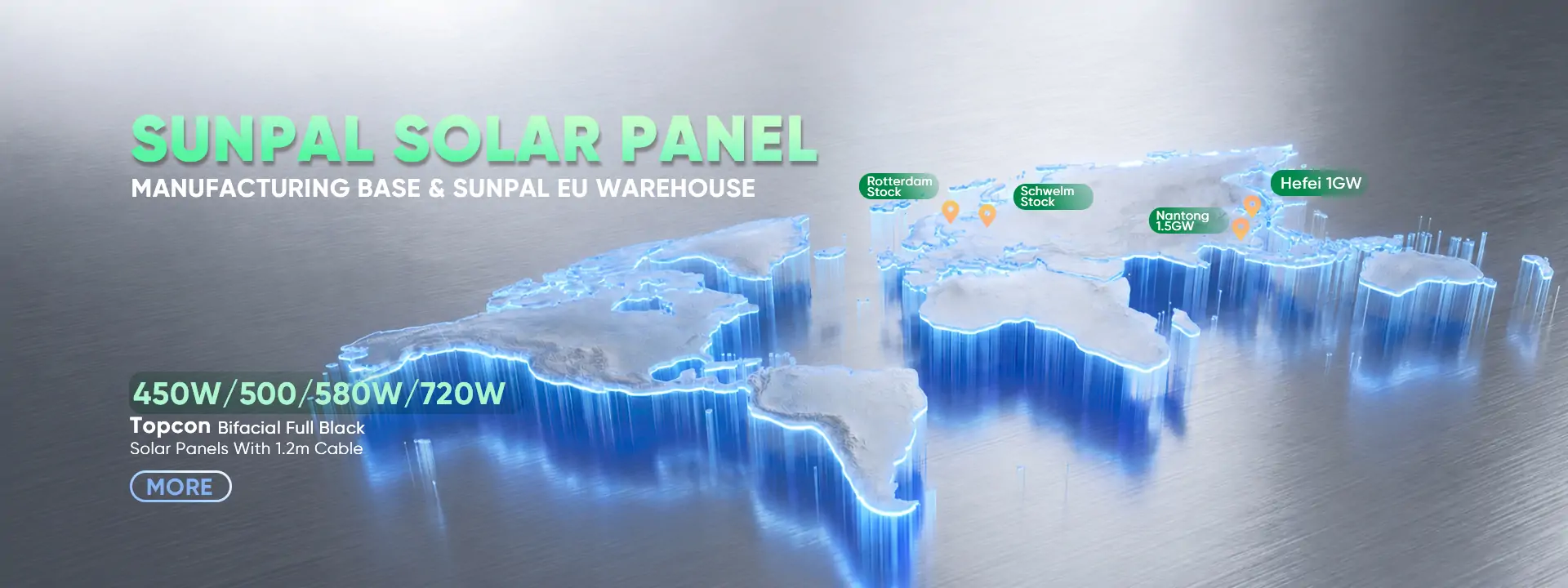
We operate three facilities with a total area of 500,000 square meters, located in Hefei City, Anhui Province, and in Nantong and Wuxi City, Jiangsu Province. This extensive infrastructure, supported by a team of 1,000 skilled workers, enables us to achieve exceptional efficiency throughout the production process. The daily output is around 30 MW, which is usually delivered within 15 days.
-

Sunpal Exhibition Hall
Sunpal is primarily responsible for solar modules. We can also provide you with one-stop solutions including inverters, batteries, mounting brackets, and other essential accessories. Our products are cost-effective, fully certified, and can be customized to meet your specific requirements. With over 11,000 satisfied customers and an installed capacity of more than 15 GW, Sunpal is a trusted leader in the solar energy industry.

-

Sunpal Team
Sunpal is a world-class manufacturer of PV solar products. Our team of over 1,000 sales representatives, engineers, and skilled workers is dedicated to the research, development, production, and distribution of high-efficiency solar modules. To date, more than 15 GW of Sunpal products have been deployed in over 150 countries. Sunpal's commitment to quality and cutting-edge technology ensures that you get reliable solar solutions that deliver long-term value.

-

Sunpal Exhibition Site
Sunpal has 8 exhibitions this year. It has held three exhibitions in the Czech Republic, the United Arab Emirates, and China and will be exhibiting in Germany, South Africa, and Uzbekistan in June, August, October, and December. At the exhibitions, we were able to make valuable contacts with potential customers and get to know the local market conditions. We will be organizing further exhibitions in the future to promote our products around the world.

Sunpal PV Solutions
-

Commercial
Learn More
Sunpal's commercial solar PV systems are designed to help businesses take control of their energy future. Our pre-engineered kits are suitable for most installation sites including commercial rooftops and ground mounting locations. Our experienced team can design a custom system from 10kW to 10MW, ensuring optimal performance for your specific project.
-

Industrial
Learn More
We have launched a new generation of green power solutions that combines PV solar energy with hydrogen generation, offering a significant decarbonization solution ideal for industries with high energy consumption. It can replace conventional energy sources, reduce the carbon footprint and contribute to more sustainable operations.
-

Residential
Learn More
Sunpal residential PV kits combine the innovations of both on-grid and off-grid technologies and are offered as grid-tied solar systems with battery storage. They are suitable for residential areas with unstable grids, for people who want to benefit from utility tariff changes, and for those who cannot afford a power cut.
Trending News
-
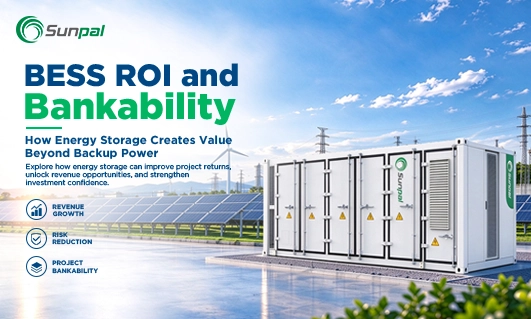 2026-10-09
BESS ROI and Bankability: How Energy Storage Creates Value Beyond Backup Power
-
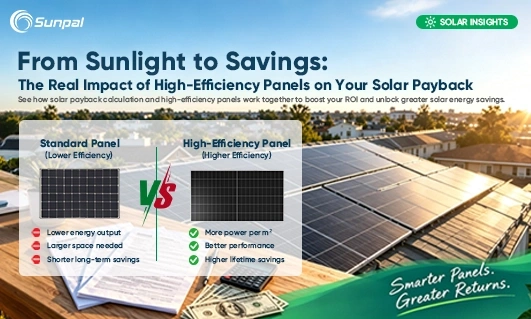 2026-09-16
Solar Payback Calculation: How High-Efficiency Panels Improve ROI
-
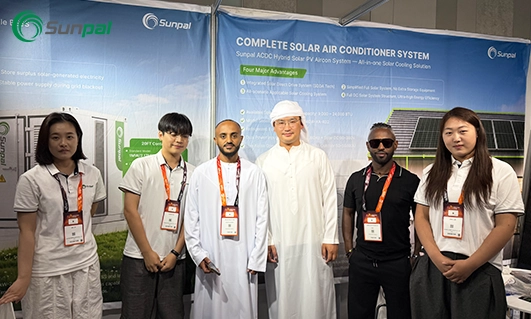 2026-09-11
Sunpal Solar Showcases Solar and Energy Storage Solutions at Middle East Energy 2026 in Dubai
-
 2026-09-07
Solar ROI Explained: How Advanced Solar Technology Maximizes Financial Returns
-
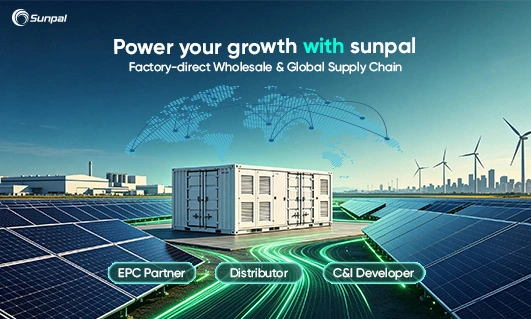 2026-09-02
Partnering for Profit: Sunpal Solar's B2B Program & Supply Chain Advantages
-
 2026-08-17
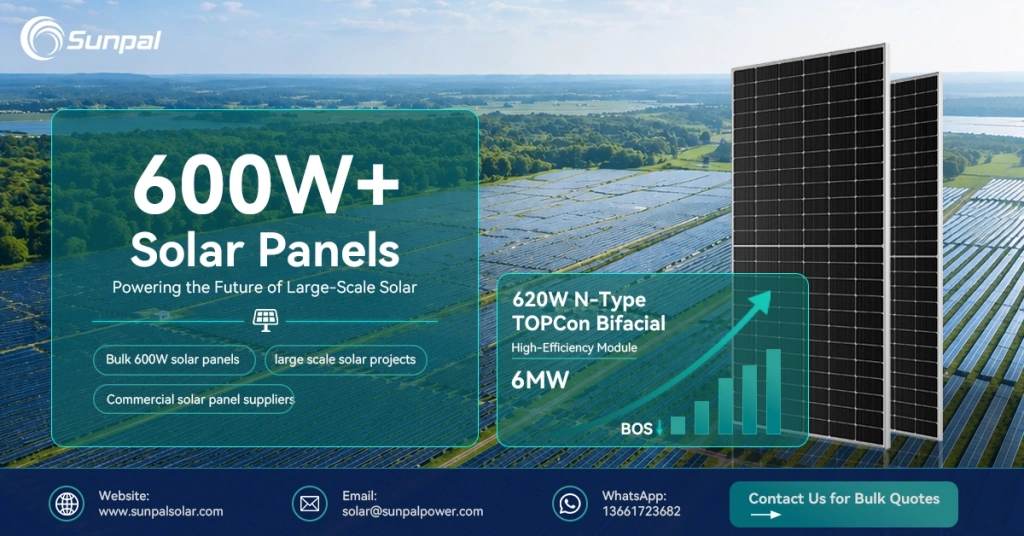
Scaling Your Business with Wholesale 600W+ Solar Panels
-
 2026-08-05
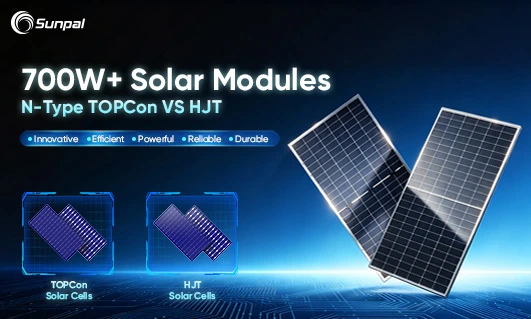
Top 700W+ Solar Panels: N-Type TOPCon and HJT Technology Explained
-
 2026-07-21
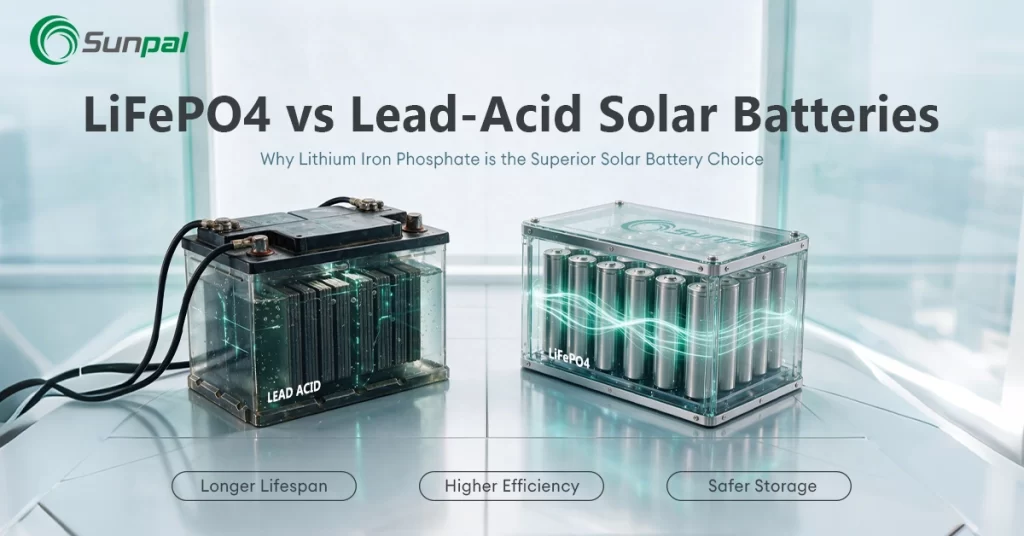
LiFePO4 vs. Lead-Acid: Why Lithium Iron Phosphate is the Superior Solar Battery Choice